
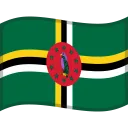
Dominica Culture and Traditions Trivia Questions
Explore the traditions of Dominica, from Creole language and Carnival to local foods, music, and Kalinago heritage. This game celebrates the island nation—not the Dominican Republic.
Dominica Culture and Traditions trivia questions and answers
Which European language supplied much of the vocabulary of Dominican Creole?
Show answerHide answer
French
Dominican Creole developed from French-based Creole speech, alongside influences from African languages and English.
What word meaning “thank you” is used in Dominican Kwéyòl?
Show answerHide answer
Mèsi
The expression resembles the French “merci,” reflecting the language’s strong French influence.
What is the local name for the French-based Creole language widely spoken in Dominica?
Show answerHide answer
Kwéyòl
The language is also called Dominican Creole and is part of everyday cultural life on the island.
What is Dominica’s annual pre-Lenten street festival called?
Show answerHide answer
Mas Domnik
The festival fills the streets with costumed revellers, music, and parades before the start of Lent.
What French-derived name is given to the early-morning opening revelry of Dominica’s Carnival?
Show answerHide answer
J’ouvert
The name comes from French for “daybreak,” fitting the pre-dawn start of the celebrations.
Which Carnival character is traditionally portrayed as an overdressed woman with exaggerated makeup and manners?
Show answerHide answer
Dame Lorraine
The character satirizes the dress and behaviour of wealthy women in colonial society.
In which month is Jounen Kwéyòl traditionally celebrated in Dominica?
Show answerHide answer
October
The celebration is commonly held on the last Sunday of the month, with Creole food, music, and language at its heart.
What name did Dominica officially adopt in 2015 for its indigenous community’s territory, formerly known as the Carib Territory?
Show answerHide answer
Kalinago Territory
The change recognizes the name the community uses for itself and its Indigenous heritage.
What is the name of the Kalinago cultural village and heritage site in Dominica?
Show answerHide answer
Barana Aute
The site gives visitors a chance to learn about Kalinago crafts, architecture, and cultural practices.
What traditional vessel, made from a hollowed tree trunk, is associated with Kalinago seafaring?
Show answerHide answer
Canoe
Canoes were important for travel and fishing across the Caribbean, as well as between Dominica’s communities.
What starchy root is grated and dried to make farine, a traditional food in Dominica?
Show answerHide answer
Cassava
Cassava has long been an important food crop across the Caribbean and is also used to make bread.
Which leafy plant is the main ingredient in Dominica’s well-known callaloo soup?
Show answerHide answer
Dasheen leaves
The leaves are cooked down into a rich soup, often with coconut milk and other seasonings.
What local name is given to the giant ditch frog once served as a traditional Dominican delicacy?
Show answerHide answer
Mountain chicken
Despite its name, mountain chicken is a frog, not poultry; the species has faced severe declines from disease and hunting.
Which Dominican band is widely credited with pioneering bouyon music in the late 1980s?
Show answerHide answer
WCK
The band blended local rhythms with electronic instruments and other contemporary influences to help shape bouyon.
Which keyboard instrument commonly leads a traditional Dominican jing ping band?
Show answerHide answer
Accordion
Jing ping ensembles also commonly feature instruments such as banjo, tambal, and bamboo flute.
What the Dominica Culture and Traditions quiz covers
15 questions across 6 topics. Each game picks 10 at random.
- Creole Language · 3
- Dominican Food · 3
- Kalinago Heritage · 3
- Mas Domnik · 3
- Local Music · 2
- Jounen Kwéyòl · 1
How to play
- • Each game has 10 questions. Before each one you see only a hint about its topic.
- • Choose what it’s worth, from $1 to $20. Each value can only be used once per game.
- • Type your answer. Small spelling mistakes are fine. Get it right and you win that amount.
Related categories



More culture trivia
- Dominica Food trivia questions
- Dominican Carnival trivia questions
- Dubrovnik trivia questions
- Ecuador trivia questions
- Ecuadorian Cuisine trivia questions
- Ecuadorian Culture trivia questions
- Ecuadorian Music trivia questions
- El Salvador trivia questions
More islands trivia
- Dominica Wildlife trivia questions
- Dominica's National Parks trivia questions
- Dominica's Waterfalls trivia questions
- Eleuthera trivia questions
- Famous Dominicans trivia questions
- Famous Vincentian People trivia questions
- Fiji trivia questions
- Fiji Wildlife trivia questions
Dominica Culture and Traditions trivia FAQ
How many Dominica Culture and Traditions trivia questions are there?
There are 15 Dominica Culture and Traditions trivia questions, covering Creole Language, Dominican Food, Kalinago Heritage, Mas Domnik, Local Music and more. Each game picks 10 of them at random, so a replay gives you a different set.
What is an easy Dominica Culture and Traditions trivia question?
Which European language supplied much of the vocabulary of Dominican Creole? Answer: French. Dominican Creole developed from French-based Creole speech, alongside influences from African languages and English.
What is a hard Dominica Culture and Traditions trivia question?
Which Carnival character is traditionally portrayed as an overdressed woman with exaggerated makeup and manners? Answer: Dame Lorraine. The character satirizes the dress and behaviour of wealthy women in colonial society.
Can I play Dominica Culture and Traditions trivia with friends?
Yes. Press Play to open a game room and send the link to your friends. Up to 12 people can join and answer the same 10 questions, and whoever wins the most money takes the game. You can also play solo.
Can I print the Dominica Culture and Traditions trivia questions and answers?
Yes. Use Download PDF above to get all 15 questions on one sheet, with the answer key on a separate page, ready for a quiz night or a classroom.